
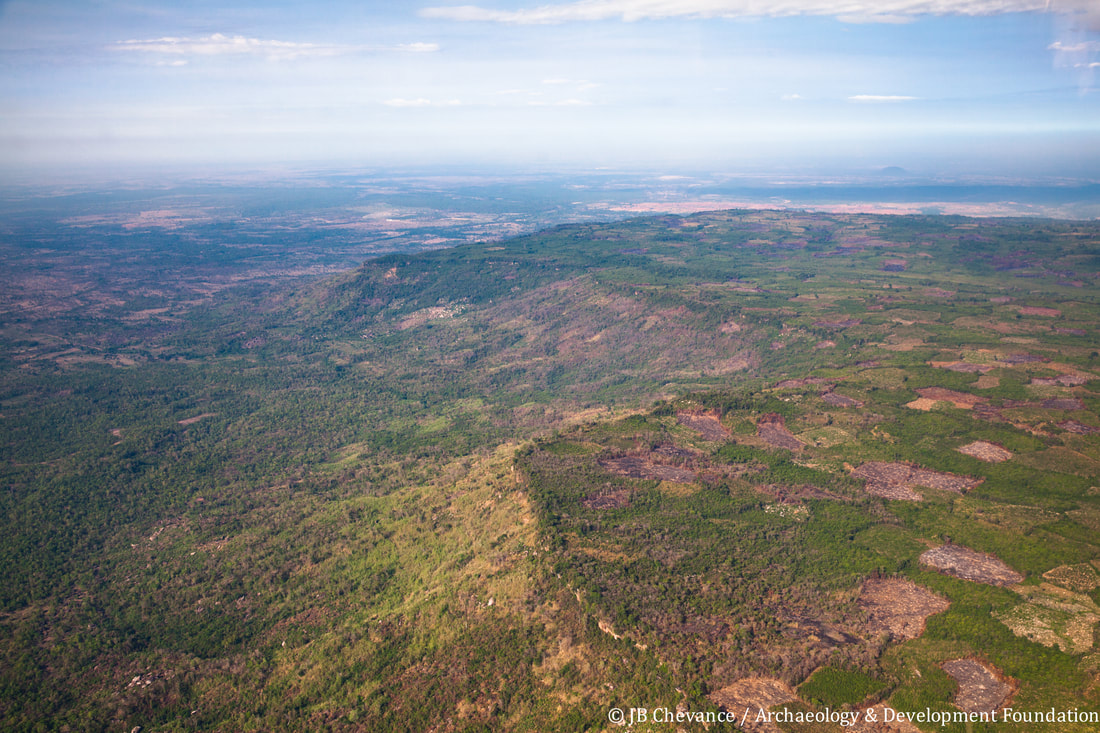
"Rediscovering the Past, preparing for the Future"
To better understand the origin of the Khmer Empire and to improve the life of local people, the Archaeology and Development Foundation (ADF) has launched a unique program dedicated to Phnom Kulen, near the World Heritage Site of Angkor in Cambodia.
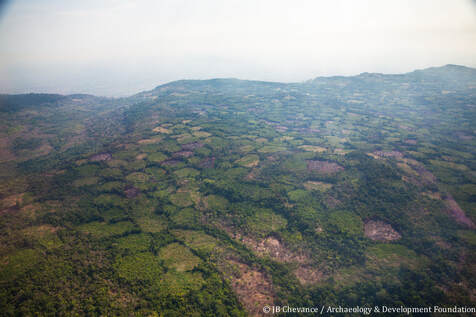
Phnom Kulen
Phnom Kulen is a natural plateau located near the Angkor World Heritage Site in northwest Cambodia. It is considered the birthplace and one of the first capitals of the Khmer empire, dating back to the early Ninth Century. Ravaged by war and neglected for many years, Phnom Kulen remained largely unexplored until recently. Learn more...
Phnom Kulen is a natural plateau located near the Angkor World Heritage Site in northwest Cambodia. It is considered the birthplace and one of the first capitals of the Khmer empire, dating back to the early Ninth Century. Ravaged by war and neglected for many years, Phnom Kulen remained largely unexplored until recently. Learn more...
About us
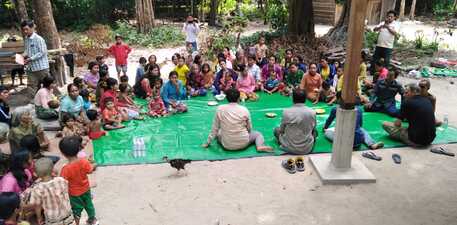
The Archaeology and Development Foundation (ADF) is a not-for-profit organisation working on Phnom Kulen since 2008. Thanks to the financial support from our donors and with the collaboration of our partners, our team of international and national experts implements a wide range of activities. Learn more...
Our work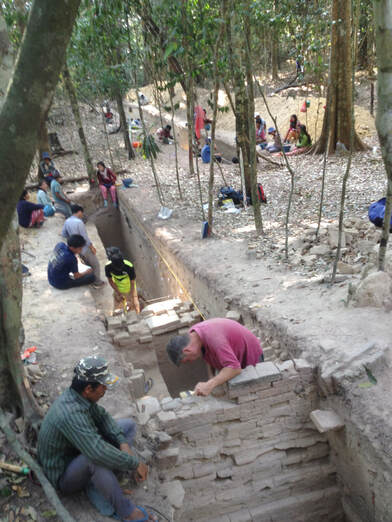
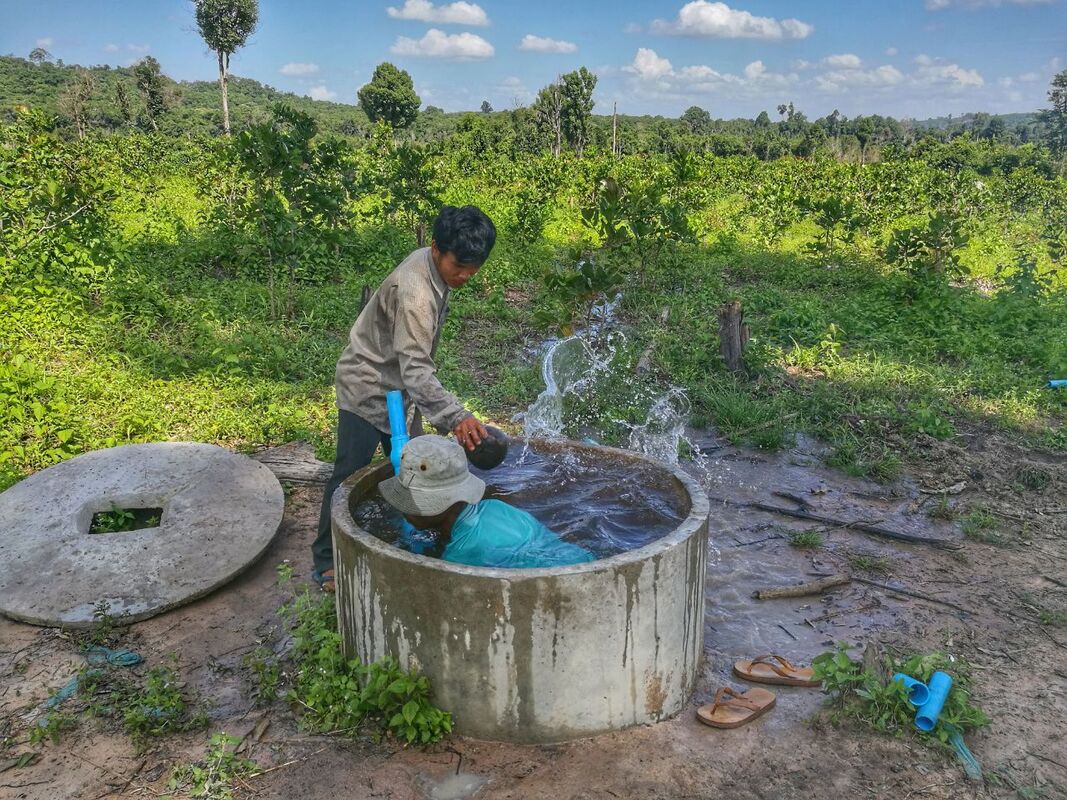
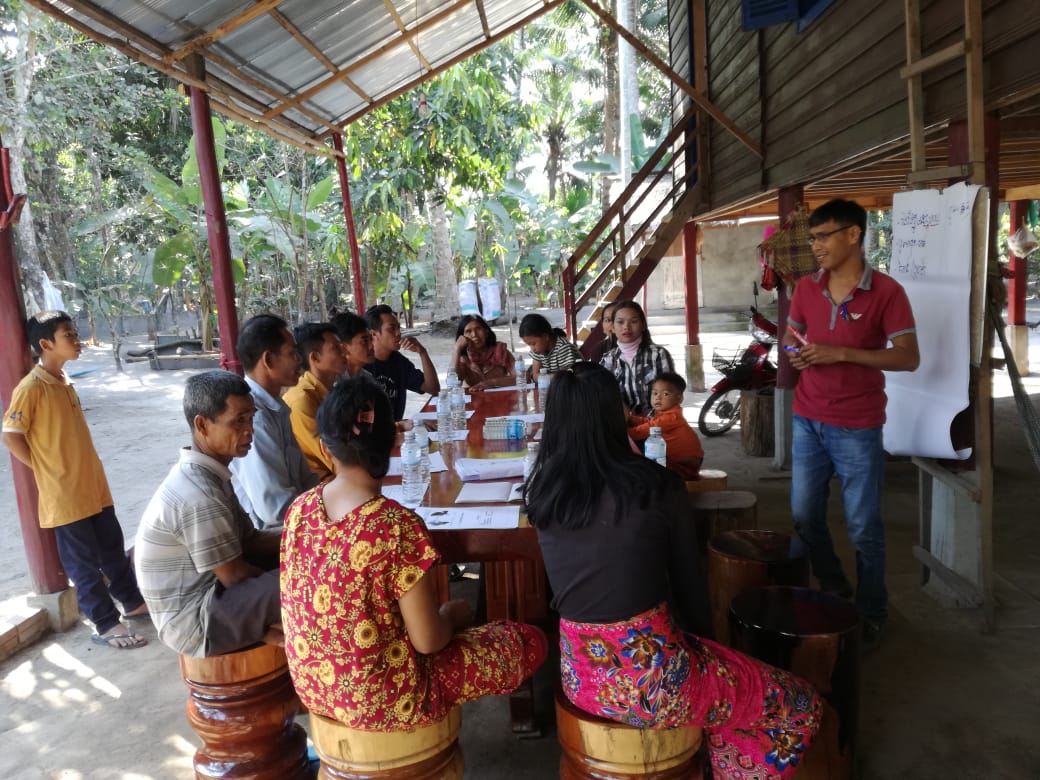
The Phnom Kulen Programme is an innovative program implemented by the ADF on Phnom Kulen since 2008, marrying archaeology with sustainable development. It includes a wide range of activities, from archaeological research to environmental protection and socio-economic development of local people. Learn more... |
|
Media
This section contains galleries of pictures and videos about Phnom Kulen, the ADF and its activities. Media professionals can access our latest press releases, logos and banners, a list of publications and previous articles about the ADF to use as material for their own articles and documentaries. Learn more...
Support us !
As a not-for-profit organisation, the ADF relies mostly on institutional donors to funds its activities. But you can help us as well by donating money to our Paypal account.
Learn more... |